The Role of Termiticides in Long-Term Termite Prevention
It would be nice to think we could get rid of termites once and for all, but the fact is that these tiny destroyers are tenacious: they don't give up and the best we can do is install a method of protection against them that is capable of doing a job against every new wave that comes along. To do this most effectively, termite prevention means prevention by termiticide.
The ending "icide" on a word denotes a form of killing, and with termites this is necessary because to deter them is not enough: they will be back.
Termiticide prevention works by killing termites, and it does this through the chemical it contains. Much progress has been made in recent decades to make termiticides both more effective and less harmful to people and to the planet. Ironically, the active life of the new concoctions is shorter than the old gung-ho substances that used to come with claims of 30-year effectiveness.
The smart way of doing it, which top termite pest control companies advocate, is to install a chemical barrier, and the sophisticated way of doing this is by means of a termiticide reticulation system.
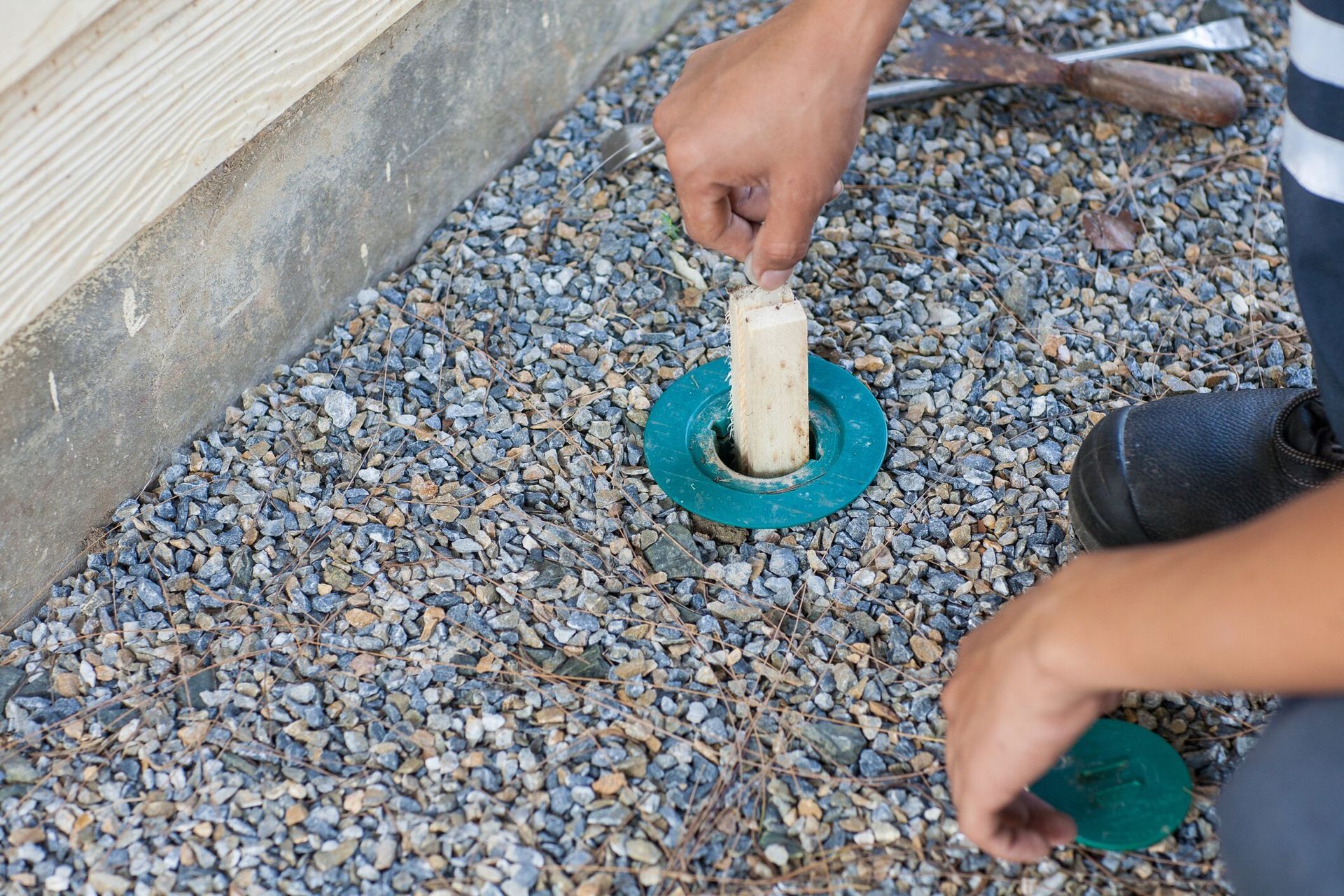
Rather than the original barrier method which involved little more than digging a trench around the building and dousing it with the chemical, reticulation means putting in a network of pipes through which the termiticide flows to be systematically leaked into the immediate vicinity, destroying any termites that venture into it. In reticulation the chemical is introduced into the system through downpipes placed at intervals around the network.
Whether you use a trench or a reticulated system, the ideal time to install it is before the construction process is in full flow. Like the foundations, the system should be put there first. If the building is already up in all its glory, a barrier can be installed retrospectively, although it may be more difficult to achieve through the presence of construction features which now constitute obstacles.
If a reticulated system is installed after the construction, the access points can be drilled through patios, driveways etc. and the plugs can be quite unobtrusive, but the whole thing is complicated compared with doing it in advance.
Why Modern Termiticides are Vastly Superior
Humans in Australia and elsewhere have been battling against termites since the first days of housebuilding. While, thousands of years ago, wood was found to be a great material for construction, it didn't take long for termites to announce themselves by eating people's dwelling places. So began the search for a solution, and an early discovery was that it was mainly the timber that the insects were interested in.
While termites have always been simply looking after themselves by seeking food, water and shelter, what we now know is that cellulose is their preferred diet, and it occurs in wood. When it was observed that termites were less attracted to mud or stone, these were used instead of, or in conjunction with, timber. All the same, houses were vulnerable to termite invasion, and over the millennia there were experiments with poisons including arsenic and, bizarrely, nicotine.
Then came substances known as toxic organochlorides, and the poisoning continued until health and safety initiatives prompted the development of alternatives.
Using bait that the termites would carry back to their colony was found to be successful, but slow, and so the scene was set in the late 20th century for termiticides that were not only deadly to the insects but would remain effective for as much as 30 years.
It has been a rollercoaster of brute force getting results and then being reined in on health grounds, to the extent that the current generation of termiticides don't boast anything like three decades of active service, but more like between five and ten.
The reduced lifespan means that reapplication is needed, which is not a problem for householders because it is carried out by specialists. As with anything to do with toxic substances, it is vitally important that individuals don't take it upon themselves to do the work. The experts come suitably protected by clothing and masks and are careful to use the chemicals responsibly.
State of the Art Termiticide Prevention
The current state of play, then, is that human beings are able to fend off termite invasions by means of scientific breakthroughs in pesticides and a strategy of ring-fencing properties chemically. The battle against termites may never end in a complete rout, but householders can protect their investment and hold their own in the struggle with innocently aggressive nature.
Long-term termite prevention means long-term termite treatment programmes, and that is just the way it is. We have to paint our houses and carry out all kinds of maintenance, because nothing lasts forever. In many experts' opinion termiticide prevention is the best option we have right now, and one thing is for sure: it's a lot more effective than building with mud blocks.
A good termite treatment company will not only carry out a comprehensive survey and carry out the necessary work but draw up a plan to keep the process going, with annual inspections and re-treatment when needed. At Dentec Pest Management, we can be that company and help you be rid the termites for good. Get in touch with our team here.