Signs Your Termiticide Barrier Needs Reapplication
Investing in a termite barrier is one of the most effective ways of protecting your home from pests, but as with most security measures, it doesn't last forever. Over a period of time, termiticide treatments can become weak due to soil conditions, weather, landscape changes, or natural product breakdown.
When this happens, your home is no longer protected, and infestation can occur without you realising until it's too late. Recognising the early signs of the need for a reapplication can save you thousands of dollars in repairs and prevent a full-scale infestation.
What is a Termiticide Barrier?
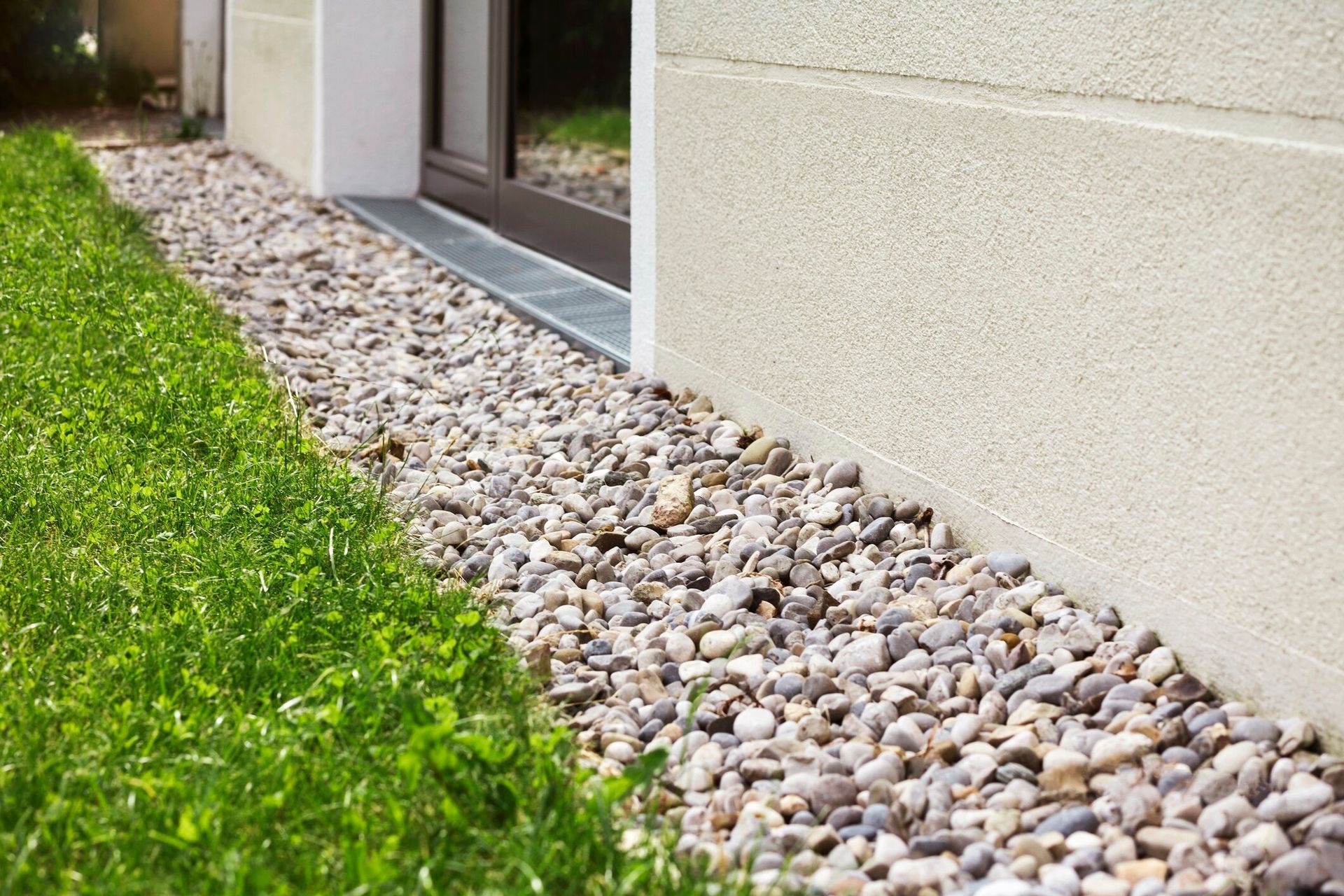
A termiticide barrier is a protective area created by applying a liquid chemical treatment to the soil around and beneath your property. This barrier forms an unbroken treated zone that termites cannot enter without being exposed to the chemical. Depending on the type of termiticide used, the barrier is designed to either repel the termites or eliminate them through contact or transfer within their colony.
Its goal is to stop the termites from entering your home through hidden underground pathways. When the barrier is properly installed by professionals, it can effectively protect your home from infestations and structural damage for many years, but incidents occur that can reduce the protection.
Below are the most common signs that your termite barrier may be deteriorating, and it's time to call on the professionals for termiticide reapplication.
1. An Increase in Termite Activity
The biggest and most noticeable red flag of all is the sudden increase in visible termite activity. Even a professionally installed barrier won't stop termites forever. Over the years, termites will discover weak points or areas where the product has degraded. Keep a lookout for:
- Termite wings around windowsills or door frames.
- Flying termites (alates) during the swarming season.
- Mud tubes on walls or foundations.
- Live workers or soldiers in soil or mulch.
If termites are appearing in areas that were previously unaffected, it's a clear sign that your chemical barrier is failing. Termites rarely expose themselves unless they're expanding or searching for new points of entry, so if they're making themselves known, it's not a good sign.
2. Mud Tubes Near the Foundation
Mud tubes are a very obvious sign of termites trying to bypass your barrier. These pencil-sized tubes allow termites to stay moist while they travel from their colony to your home. If you have a properly functioning barrier, termites are unable to create pathways into the structure. Finding new mud tubes are signs that:
- The chemical zone has weakened.
- Soil movement has disrupted the treated area.
- Heavy rain or flooding has diluted the termiticide.
- Termites are testing potential entry points.
Break open a small section of the tube and call a termite pest control specialist if you see active termites inside.
3. Changes in Soil & Landscape
The condition of your yard plays a huge role in how long your termiticide barrier lasts. Disturbing the soil can compromise the treated zone. For example:
- Gardening or digging near the foundation.
- New plants, garden beds, or retaining walls.
- Installing irrigation systems or drainage pipes.
- Adding or removing concrete, pavers, or decking.
These activities can break the cohesiveness of the barrier and expose untreated soil, leaving open pathways for termites to enter.
4. Excess Moisture Around the Home
Termites thrive in moist environments, which, unfortunately, can lead to the disintegration of the termiticide. Watch out for the following:
- Leaking gutters or downpipes.
- Poor drainage leading to pooling water near foundations.
- Over-irrigated gardens.
- Broken plumbing lines or damp soil around the perimeter.
Termiticides weaken when they're consistently exposed to water. Too much moisture can attract termites, who are likely to test your barrier and find weak areas.
5. Noticeable Decline in Effectiveness
As with any chemical treatments, termiticides have a shelf life, with a typical longevity of 5–10 years dependent on brand, soil type, and environmental conditions. Even the best products eventually break down chemically. If your treatment is coming toward the end of its expected lifespan, you should assume the barrier is weakening even if there are no signs of termites. Homeowners mistakenly wait until they notice damage, but prevention is better than cure (and much cheaper).
A good rule of thumb: if you can't recall when your last treatment was completed, you may be in need of a professional termite inspection.
6. Cracks in Concrete Slabs or Foundation
Gaps can be as thin as a credit card; termites will still find their way through. With wear and tear or natural changes, concrete can shift and crack, creating perfect entry points for termites. If the surrounding soil hasn't been adequately treated, termites can easily access your home. Make regular checks on:
- Expansion joints.
- Concrete pathways touch the home.
- Garage floors.
- Foundation walls.
If new cracks have appeared, contact a termite pest control professional who may need to perform a termiticide reapplication to those areas to maintain continuous protection.
7. Timber Damage or Hollow-Sounding Wood
If termites have entered the home, then the barrier has failed. Early signs of internal termite activity include:
- Soft, crumbly, or hollow-sounding wood.
- Paint that bubbles or blisters.
- Sagging floors or warping door frames.
- Tiny holes in wood surfaces.
If you notice any of these indicators, get professional help immediately. Termites can cause extensive damage, and once they access internal timber, they spread rapidly if left untreated.
Give Dentec Pest Management a Call Today
If you notice any of these signs or haven't had a treatment in several years, contact Dentec Pest Management, your Dubbo pest control specialist. We'll evaluate your barrier and restore it to its full potential before termites find their way into your home.