How Long Does a Termiticide Treatment Last?
Having a termite infestation can cause costly damage to your property, so keeping them at bay is a long-term investment that is well worth the money. Termite damage is often hidden and can cost thousands to repair, so choosing the right treatment and knowing how long it will last will protect your property and your pockets.
It is commonly assumed that once a termiticide is applied, the home is protected for life — unfortunately, this is not the case. Termiticides have lifespans that are influenced by various factors. Learn about them in this article and discover how long termiticide lasts.
Termiticide Types and Their Expected Lifespan
There are two main types of termiticides that are used by professionals in termite management:
1. Liquid Soil Termiticides: These chemicals are applied to the soil around and beneath your property, creating a treated zone that will affect termites if crossed. Liquid termiticides fall into two subcategories: repellent termiticides (Bifenthrin) and non-repellent termiticides (Fipronil). Each works differently and has varying longevity.
2. Termite Baiting Systems: Bait stations are installed around your property and use slow-acting active ingredients that termites carry back to the colony, killing it over time. Baits don't create a barrier, but they provide ongoing protection with consistent maintenance.
How Long Do Liquid Soil Termiticides Last?
Liquid termiticide can last from 3–10+ years, depending on the formula and how it's applied.
Non-repellent termiticides are the most commonly used today, with fipronil products such as Termidor being a firm favourite amongst professionals. They have an expected lifespan of 5–8 years, sometimes longer in ideal soil conditions. Non-repellent chemicals bind well to soil particles and break down slowly, allowing them to last longer. Lack of detection allows termites to pass through unaware, pick up a lethal dose, and transfer it to their nestmates, eventually suppressing the colony around the property.
Repellent termiticides contain chemicals such as Bifenthrin that create a zone that termites avoid. While an effective treatment for termites, these termiticides don't last as long. Under normal conditions, they can be expected to last 3–5 years. Repellents often degrade faster in certain soils and can be disrupted by changes in the landscape or if the soil is disturbed.
How Long Do Termite Baiting Systems Last?
Unlike liquid termiticide, baiting systems don't rely on chemical lifespans; instead, they thrive through ongoing monitoring and replenishment to provide long-term protection. Sentricon, Exterra and Trelona can all last a lifetime as long as the system is maintained. Baits rely on periodic inspection and re-baiting; therefore, their longevity depends on maintenance rather than chemical breakdown. When properly serviced, baiting systems can protect your property for decades.
Key Factors That Influence Termiticide Longevity
Even the best termiticide won't last long if its surrounding conditions aren't up to scratch. There are several environmental and structural factors that determine how long termiticide lasts:
Soil Type: Different soils react to chemicals differently, some responding better than others. Clay soils hold termiticides well, sandy soils allow quicker leaching, and highly alkaline soils break down certain chemicals faster.
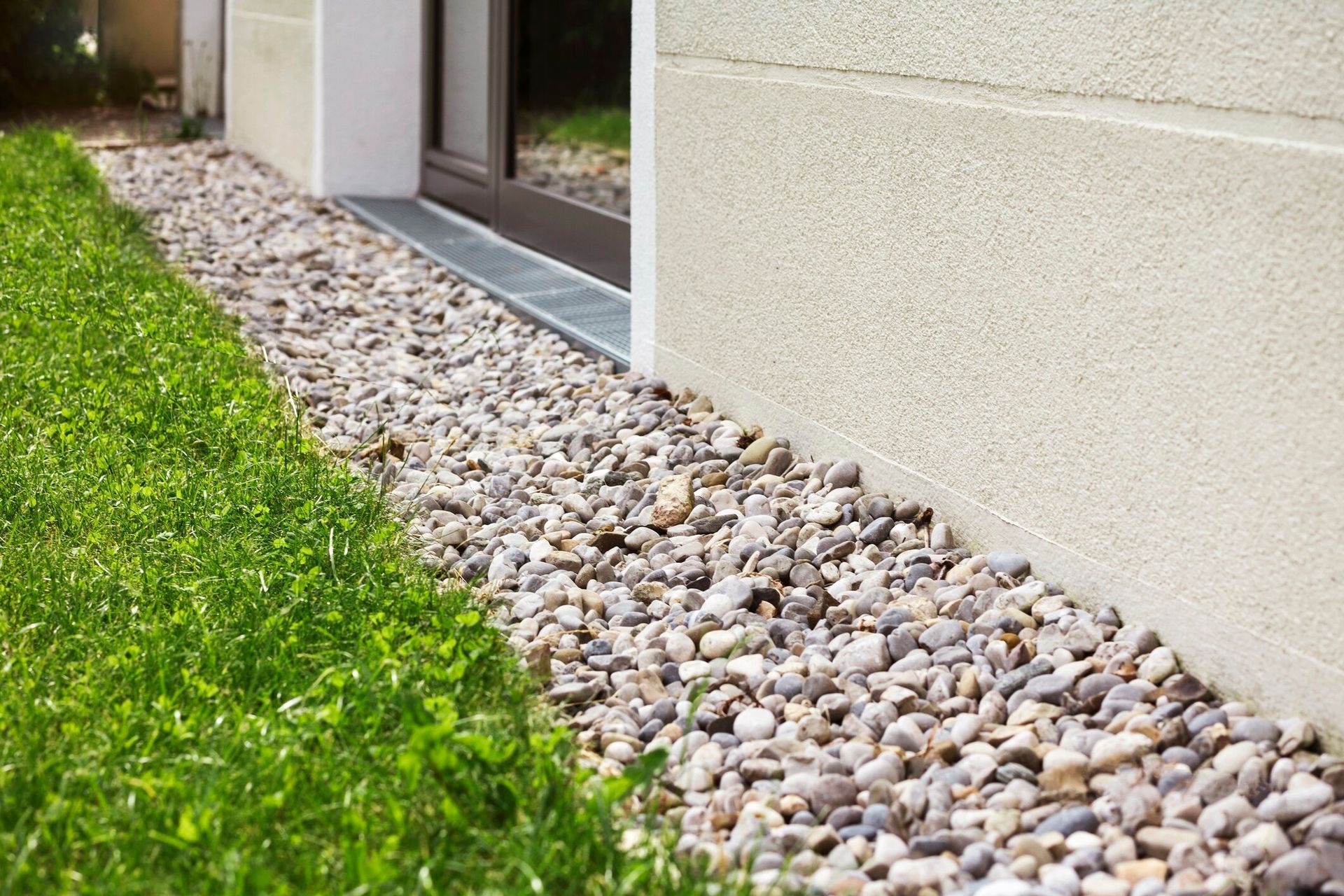
Moisture and Drainage: Heavy rainfall, flooding, or poor drainage can dilute or wash away termiticides over time. The more moisture is present, the lower the lifespan.
Amount of Soil Disturbance: When soil is disturbed, it can cause the chemical barrier to break. Digging, installing plumbing, or even small disruptions can create gaps.
Quality of Application: How a termiticide is applied heavily affects its longevity. Was the correct dosage used? Was the barrier continuous? Were the required tasks properly completed? Did the technician follow Australian Standards (AS 3660) or local regulations? A barrier that's not properly applied can have a shorter than expected lifespan.
Product Concentration and Formulation: Store-bought DIY chemicals don't hold the level of concentration found in the professional-grade termiticides used by licensed technicians. These high-quality formulations contain additives that help them remain stable in soil for years.
Signs Your Termiticide Treatment May Be Wearing Off
After some time, even the most effective of barriers start to deteriorate. Being aware of the signs of a termite infestation and a breakdown in protection is essential. The most common indicators include:
- New mud tubes or activity around the foundation.
- Flying termites near doors or windows.
- Bubbling paint or soft timber.
- New cracks or gaps around concrete areas where drilling occurred.
- Soil mounds directly against the home.
- Excessive moisture near the property.
If you notice any of these signs, contact Dentec Pest Management immediately for a professional re-inspection.
Is Extending the Life of Termiticide Treatments Possible?
With proper maintenance, the effectiveness of termiticide treatment can be prolonged. Longevity can be increased by keeping soil undisturbed around the home, maintaining proper drainage, avoiding structure/wood-to-soil contact, keeping the foundation clear of leaks or moisture buildup, avoiding landscaping changes near treated areas, and scheduling annual professional inspections.
Consistent maintenance is key to preserving the integrity of the treatment for termites.
Don't Know What Treatment to Use? Call Dentec Pest Management
If you're unsure of what termite treatment you should use that will last as long as possible, contact Dentec Pest Management for help and advice. We'll advise on what treatment to opt for after assessing the severity of the infestation and the conditions around your home. One of our experts will then explain how long your specific treatment should remain active and recommend what to do to keep the termites from coming back.
Don't make assumptions and risk costly damage; call us today, and we'll ensure your home stays protected, monitored, and termite-free for the long term.