DIY Termiticide Treatments: What You Should Know Before Trying It Yourself
Termites are a major problem for homeowners and can cause thousands of dollars' worth of destruction. And the worst part? A lot of damage may already have taken place before you notice they're there. When people notice signs of activity, they want a quick and affordable solution to get rid of the termites fast. DIY termiticide products are available in hardware stores and online, and may seem easy to use.
However, treating termites is not as straightforward as dealing with ants or cockroaches; one wrong move can exacerbate the issue and leave your home vulnerable to future infestations. If you're thinking of dealing with the termites yourself, you need to understand how termiticides work, their limitations, and the risks involved.
Understanding Termiticides and How They Work
Termiticides fall into two general categories: barrier treatments and baiting treatments. Barrier termiticides come in liquid form and are applied to the soil around and under a structure. These chemicals can be a repellent (keeping termites at bay) or a non-repellent (allowing termites to enter and pass on to the colony).
These products often require specialised tools and training to apply correctly. Baiting systems force elimination by using slow-acting insect growth regulators that get taken back to the colony by the termites. Home kits are available, but professional bait systems give better results.
It's essential to understand the difference between the two, as a misused barrier treatment can cause termites to simply change direction and head deeper into the structure or into an untreated area, and bait systems that are poorly monitored may not be as effective as they should be.
Why DIY Termiticide Treatment Can Be a Challenge
There are many pest tasks that can be handled yourself, but termite prevention is in a different category. Below are the main reasons homeowners struggle with DIY treatments and resort to calling in the professionals:
1. Finding the Colony Is Difficult: Because termites live deep underground and within walls, they can be undetectable. What appears on the surface is just a small fraction of a large colony. Without professional locating tools such as thermal cameras, moisture meters, and acoustic sensors, most homeowners are unable to detect the size of the infestation or where it originated.
2. Each Species Acts Differently: Different species have different responses to chemicals. Some can become aggressive; some forage in wider patterns; and some can be resilient to certain active ingredients. Professionals are trained to understand each species' habits so that they can select the most appropriate treatment method.
3. Soil Type and Moisture Affect Termiticides: The effectiveness of liquid termiticides can be impacted by the condition of the soil. If sandy soil, clay-heavy soil, or heavy drainage is present, adjustments may be required that DIY users have no understanding of.
4. Application Must Be Precise: Chemical barriers must be continuous, as the smallest of gaps can be an entry point. The perfect barrier is achieved by trenching, rodding, drilling through concrete, and injecting termiticide at precise depths. These tasks aren't simple and can easily go wrong.
5. DIY Products Are Weaker: Compared to professional-grade products, most over-the-counter termiticides are weaker in strength. Pest technicians use concentrated chemicals that can only be used by licensed professionals, meaning the DIY treatments available may not be as effective as you need them to be.
The Risks of DIY Treatment
Attempting DIY termite prevention can lead to unintended consequences if done incorrectly due to a lack of training:
- You may simply mask the problem instead of solving it, killing visible termites but leaving the colony untouched.
- Termites may redirect into hidden areas if barriers have not been applied properly.
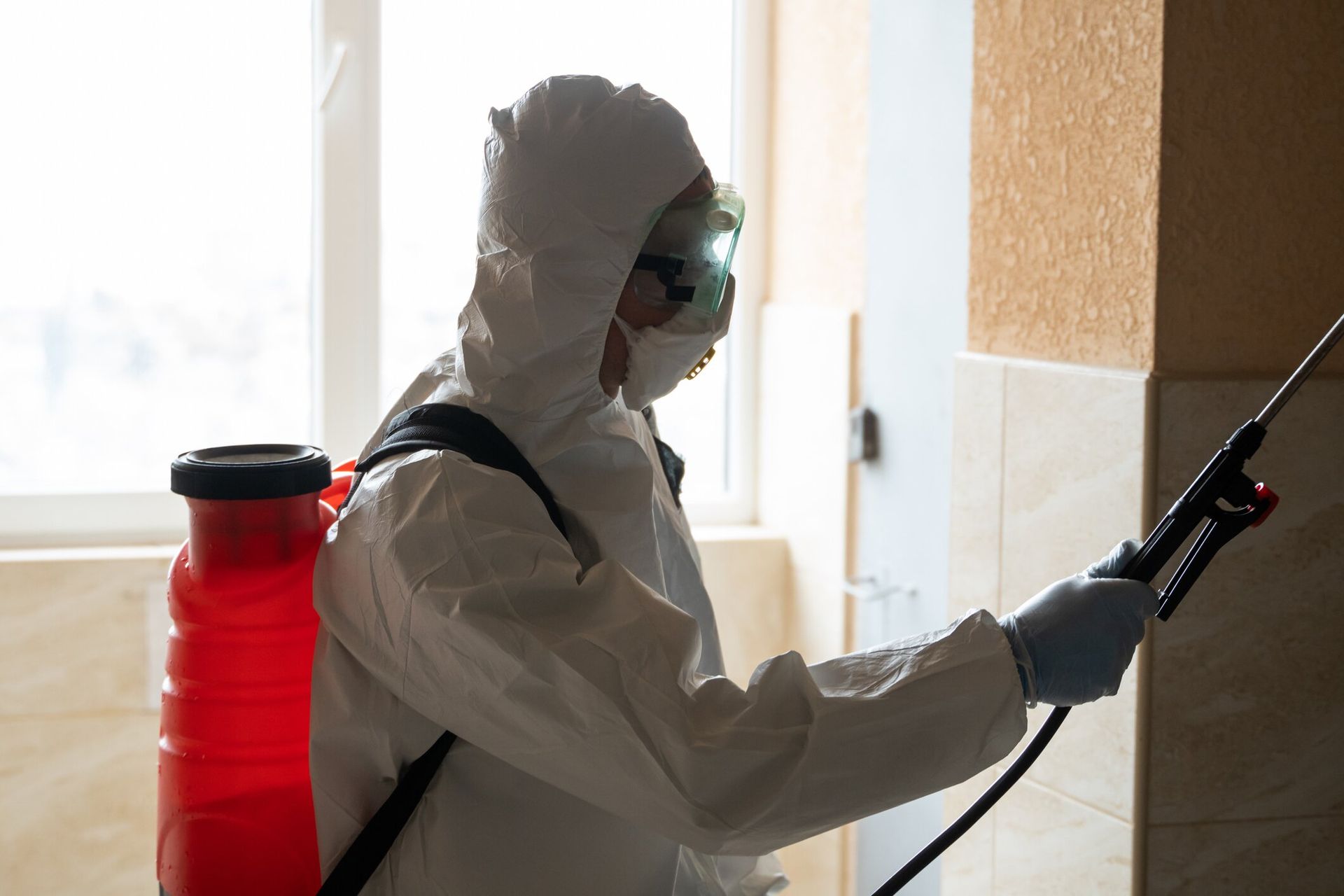
- You may accidentally expose yourself and others to chemicals if you lack proper PPE and ventilation.
- Insurance or guarantees may be voided if you attempt to treat the termites without a license.
- You may end up spending more in the long run if the damage worsens and the infestation grows.
When DIY Solutions Are Acceptable
While DIY termiticide treatments are not recommended if you have an active infestation, they can be useful in some scenarios:
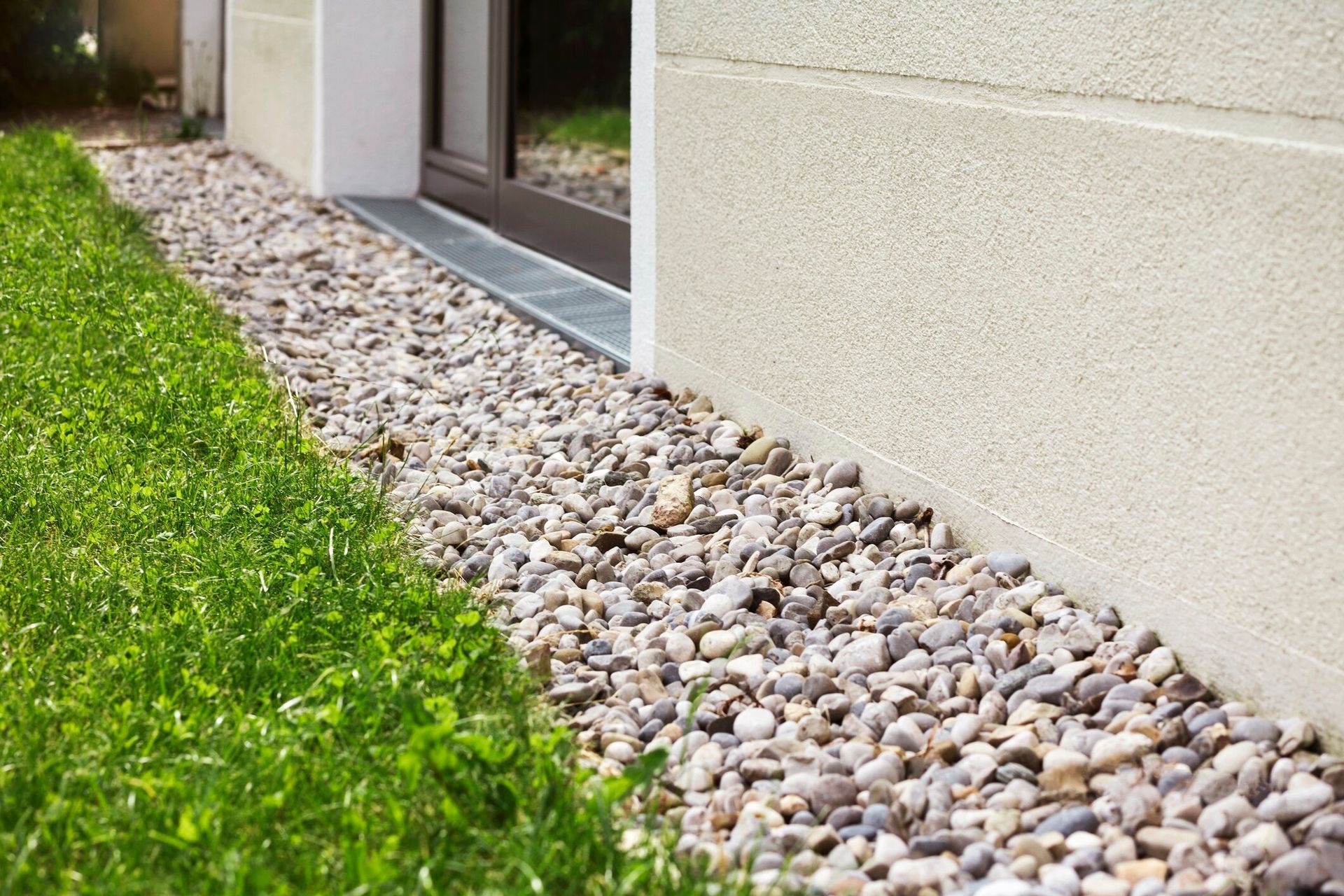
1. Prevention: By installing monitoring stations, maintaining proper drainage and eliminating wood-to-soil contact, you can reduce the risk without the use of chemicals.
2. Surface Treatments: Treating timber with termite-resistant coatings can protect sheds, fences, and similar structures.
3. Early Monitoring: DIY termite detection tools can help you spot a problem early, but should not replace a professional termite inspection.
If You Still Want to Attempt DIY Treatment
You've listened to the advice but are still determined to proceed with a DIY solution. Follow these instructions to stay safe and get the best results:
- Read all product labels thoroughly and follow instructions exactly.
- Keep children and pets away during application and drying times.
- Wear gloves, goggles, protective clothing and a respirator if required.
- Do not rely on a single solution; combine several treatments.
- Reinspect at least every 3 months to track changes in activity.
- Know when to give up and find a professional, especially if the situation worsens.
It's Time to Call in the Professionals
It can be tempting to treat a termite infestation yourself, but keeping it under control is a complex task that requires professional expertise. A misstep or lack of knowledge can leave your home exposed and lead to costly long-term damage.
Call on Dentec Pest Management today and schedule a professional inspection so we can get to the root of the problem fast!