Eco-Friendly Termiticide Treatments: Do They Work?
Termites have long been a problem that many property owners fear because of the huge amount of damage they can cause to a building. They are voracious consumers of timber and an infestation, which can comprise many thousands of the insects, can destroy the very structure of a building.
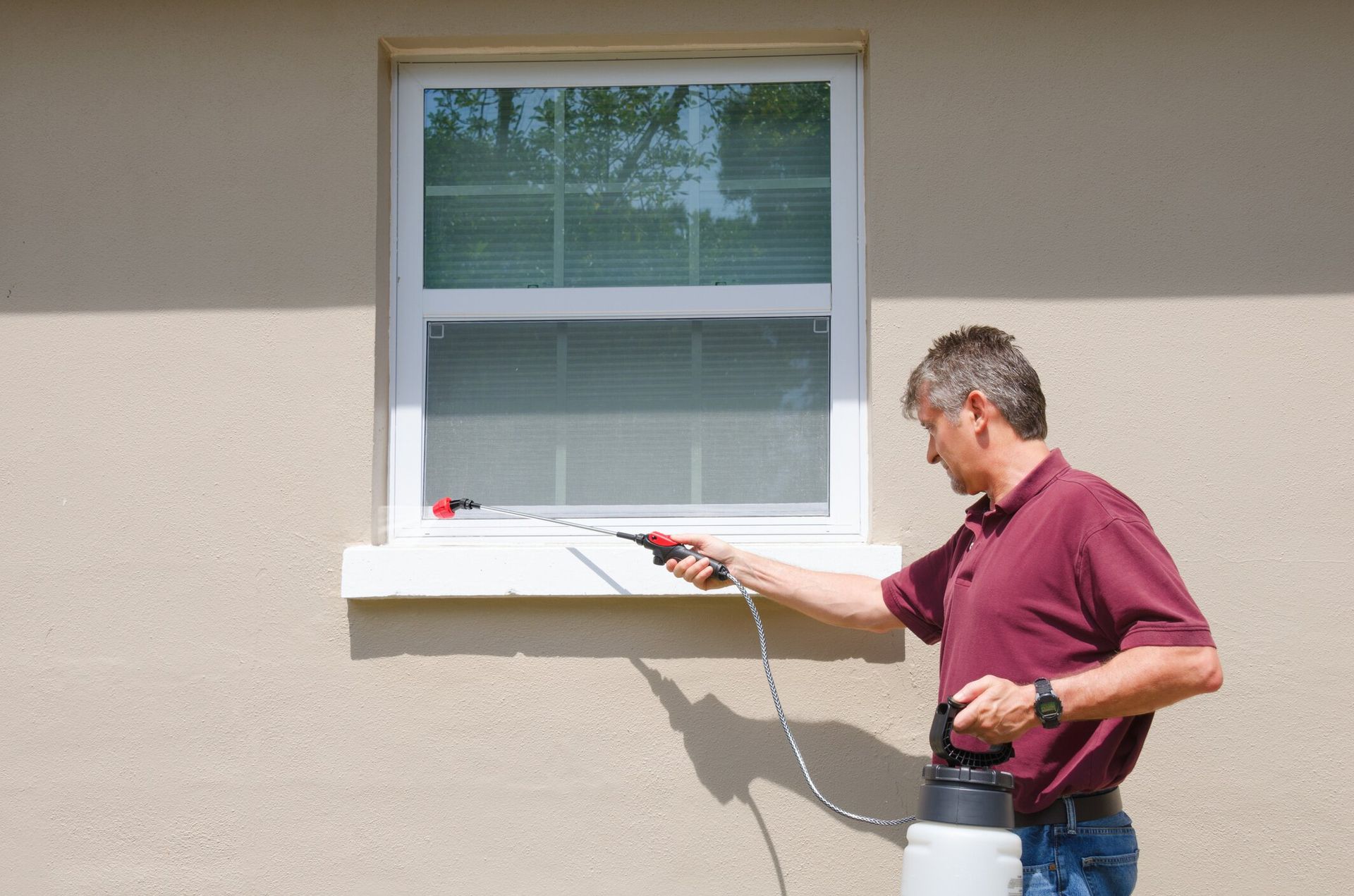
The solution to the problem has historically been to use large amounts of chemicals — either as bait, by spraying as a liquid or through fumigation — to destroy the colony. Although these methods are very effective as a treatment for termites, they are often not very selective and the toxic chemicals can also kill beneficial insects and small mammals. They also have the potential to be harmful for family pets and even humans, especially small children and those with allergies, so great care in their use has to be taken.
With the increasing concerns for the environment, many people now demand the use of eco friendly termiticide treatments that will kill termites effectively but without causing any other harm. An increasing number of pest professionals are using these treatments but some people have doubts that they really work. The answer is that they do, although some have to be targeted properly while others take longer to have the required effect compared to toxic chemicals because they focus on longer term outcomes.
Types of Eco-Friendly Termite Treatment and their Use
There are numerous eco-friendly treatments available, and some are more suitable for specific situations:
- Heat treatment uses powerful heaters to raise the temperature of the infested area to 120-140⁰F (60-90⁰C). This will kill all the termites and is perfectly safe once the area has cooled since nothing remains.
- Microwave treatment heats the infested timber from the inside so that termites and their eggs are killed. It has no long-lasting harmful effects but is localised and will not penetrate to colonies that are deeply located.
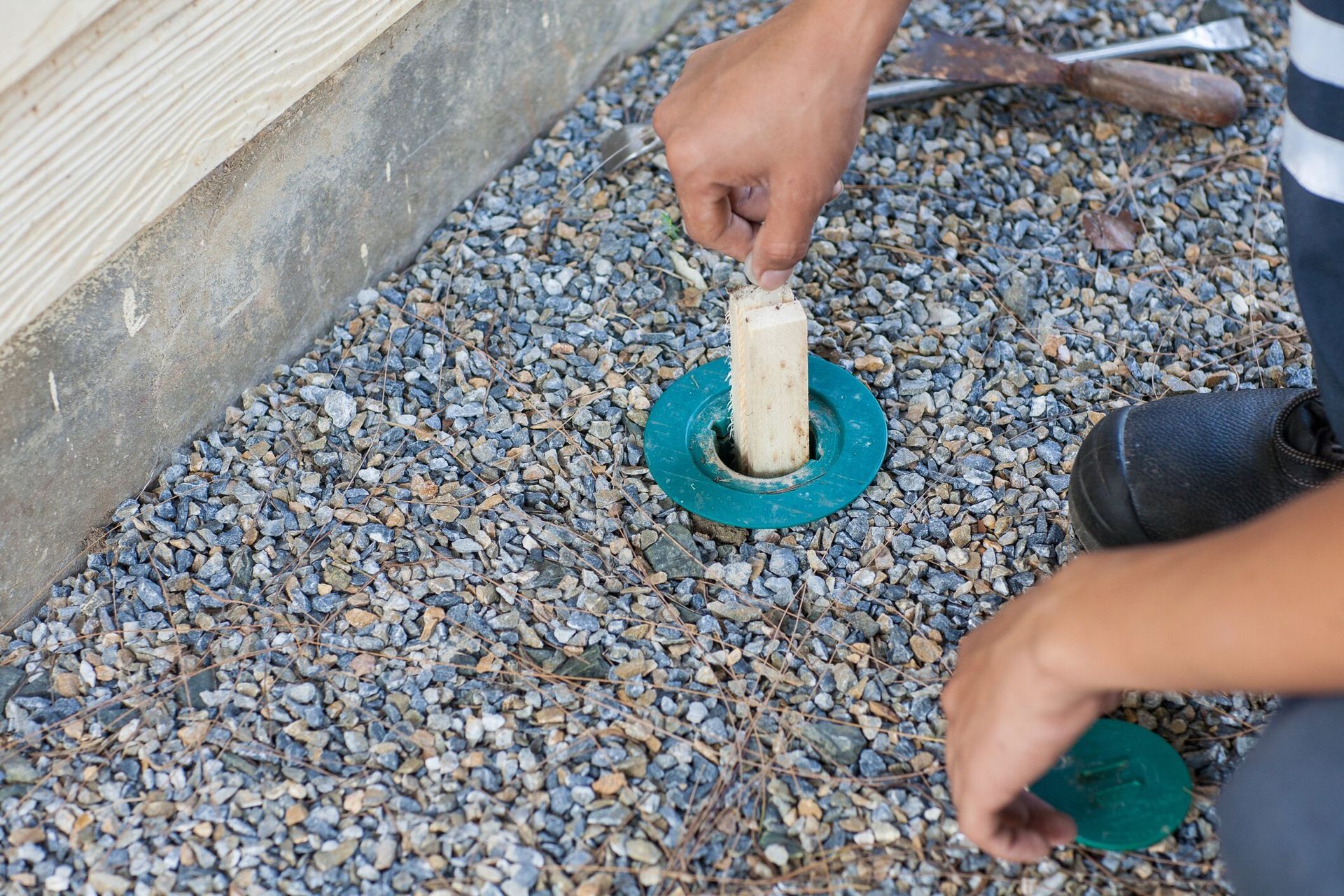
- Bait systems contain chemicals that attract targeted insects only. These slow acting and non-toxic chemicals are picked up by termites and taken back to the nest, disrupting growth and eventually destroying the colony.
- Natural insecticides, such as citrus, eucalyptus and neem oil, have compounds that kill termites by dissolving their exoskeleton. Diatomaceous oil has a similar effect since it dries out the termites.
- Borate treatments are low in toxicity and so are not harmful to humans and pets. But they are a popular treatment for termites, especially those in wood.
- Insecticidal oils coat the bodies of the termites with a petroleum-based liquid. This cuts off the supply of oxygen and is effective at killing eggs and immature insects. The oils break down quickly and so are less toxic for other insects.
- Diatomaceous earth is formed from crushed fossils and can kill soft-bodied pests by changing their cuticles and causing dehydration and eventual death. It is often sprinkled in areas that are hard to reach, sometimes in moist corners.
- Biological controls work by introducing natural pathogens and predators, such as fungi or nematodes, that target and kill specific species of termites.
Long-term and Effective Treatments
Different types of treatment will be effective in specific situations and all may be targeted at certain termite types so you need to choose suitable ones. The success of eco-friendly methods will depend on the treatment you use, the size of the colony and the method of application.
They will not, however, prevent a re-occurrence of the infestation and you need to adopt a process known as integrated pest management (IPM) to ensure long-term protection. This includes a number of different processes that will be used together and where the use of chemicals is only applied as a last resort:
- Ensure you eradicate damp conditions that will attract termites and allow them to thrive. Fix any leaking pipes, dripping taps and blocked gutters and drainage pipes. Open windows and doors for ventilation, use dehumidifiers, install ventilation and extraction fans, and ensure everything is working properly. Besides attracting termites and providing perfect conditions for them, a damp house is bad for your health.
- Check for gaps and cracks that termites can use for access and ensure they are properly sealed.
- Remove waste wood that contains cellulose and will provide a source of food. In particular, ensure wood piles and fallen branches are moved away from the building.
- Cut back shrubs and trees that are close to the house so they can't be used to gain access.
- Set up physical barriers such as steel mesh and sand layers to keep termites out.
- Frequently check for signs of termite infestation, such as termite droppings, mud tubes through which they move, discarded wings from swarmers (flying termites), wood that is powdery, sounds hollow when tapped or has obvious bore holes, and the sound of rustling within your walls.
Termites are a constant threat that you cannot afford to ignore because of the severe damage they can cause and the cost and disruption that can result. The cost of repair or replacement is unlikely to be covered by your home insurance, which means you end up paying, so you need to keep alert at all times.
At Dentec Pest Management, we can provide efficient and effective pest treatments at affordable prices. These comprise a comprehensive, all year round programme that includes periodic inspections, advice on preventative measures you can take, the installation of barriers and the resolution of problems should they occur. Don't take the risk but instead get in touch today for peace of mind.