How Termiticide Works: Breaking Down the Science Behind Termite Control
How Termiticide Works: Breaking Down the Science Behind Termite Control
Termites can ruin a house, and the best way to deal this it is to be pre-emptive: acknowledge that your property is vulnerable to these creatures and go looking for them. If you wait to see signs of infestation, it's too late. You can get rid of them if you have a good termite pest control company tackle the job, but damage will have been done already.
Understanding Termites: Why are They Attacking my House?
It's nothing personal. It's not even a question of termites vs humans. It's simply another species doing what it needs to survive, just like we do. Humans need food, water and shelter. So do termites. The shelter you have arranged for yourself - your residence - contains food and water, so termites are attracted to it. For them it's like finding a free hotel they can just march into and set up home.
That means we have to be dispassionate about termites; we must protect our interests and our investment. We don't really want to eradicate a species; we just want them to live somewhere else. But if you have an infestation, you will have to destroy the current invaders.
Identifying What Kind of Termites you are Dealing With
There are many different types of termites including subterranean, drywood, dampwood, swarmers and giant termites. Where you live can influence which type you're looking at – and the names they have been given are usually self-explanatory.
Subterranean termites, as the name suggests, live underground. Drywood ones eat dry wood; dampwood termites like wood containing moisture, giants are bigger and swarmers fly from one colony to another in great swarms, in the entirely natural and innocent search for mates.
Treatments vary according to the type of termite you're dealing with. But first things first.
Diagnosis: Have you got Termites?
The common perception is that you've got trouble if you see wood dust, because it means they're munching your timber. That also means they are making holes in it. And if that timber is damp, their action will be releasing the smell of damp, mould and mildew.
If you notice any of these signs, it is time to take action by calling a pest control firm. They will carry out an inspection to determine what kind of termites are present, and they can take immediate action while taking preventive measures with an eye on the future.
Doing some termite treatment yourself can be dangerous because the chemicals involved are harmful to humans. A professional team will be wearing appropriate clothing including masks.
In any case, your efforts will also probably be ineffective, because it's a skilled business. It is beyond the capabilities of even someone who is good at DIY and likes to sort out little issues themselves rather than calling someone in to do it for them. This work needs to be done properly.
Making Your Property Unattractive to Termites
The problem is particularly prevalent in timber buildings, but most residential construction projects involve some wood because it's a friendly, attractive and versatile material, so even if your place is mainly concrete, there may be trouble spots you have to keep an eye on.
An inspection will reveal the current state of play and if your property has a clean bill of health so far, try to keep it that way. To do that, you must avoid trapped moisture, so fix any leaks or clogs in drains etc Get your used water straight down a pipe and away, not hanging around like a termite oasis.
Take care about wood touching the ground next to your house. If you use firewood, keep it in a closed box. If you leave it stacked against the house you will encourage termites and once they are in the area, they will invade the building. Termites are resourceful and because they are tiny and nimble they can get in through the smallest gaps
If you have a wooden deck or wooden patio furniture, give it a good coating of sealant and don't just do it once and forget about it. Termites like wood, not varnish, but sealants can be rubbed off with wear.
As a general rule, keep wood away from the house, and that applies to trees with branches that may touch the building higher up. Termites can climb the tree and get into your place that way. Pay attention to any tree stumps that may be around the yard, because they may be some way from the building, but they are attractions for termites.
Be careful with mulch, too. If the wood it's made of contains termites, they are brought into your world in a termite taxi, free to start multiplying. If the mulch is close to the foundations or the walls themselves, you're asking for trouble.
It's the same with furniture, particularly second-hand pieces, so be wary of what you allow into your home.
How Termiticide Works
The art of the anti-termite operative has been refined over the years, and new, more effective chemicals have been introduced.
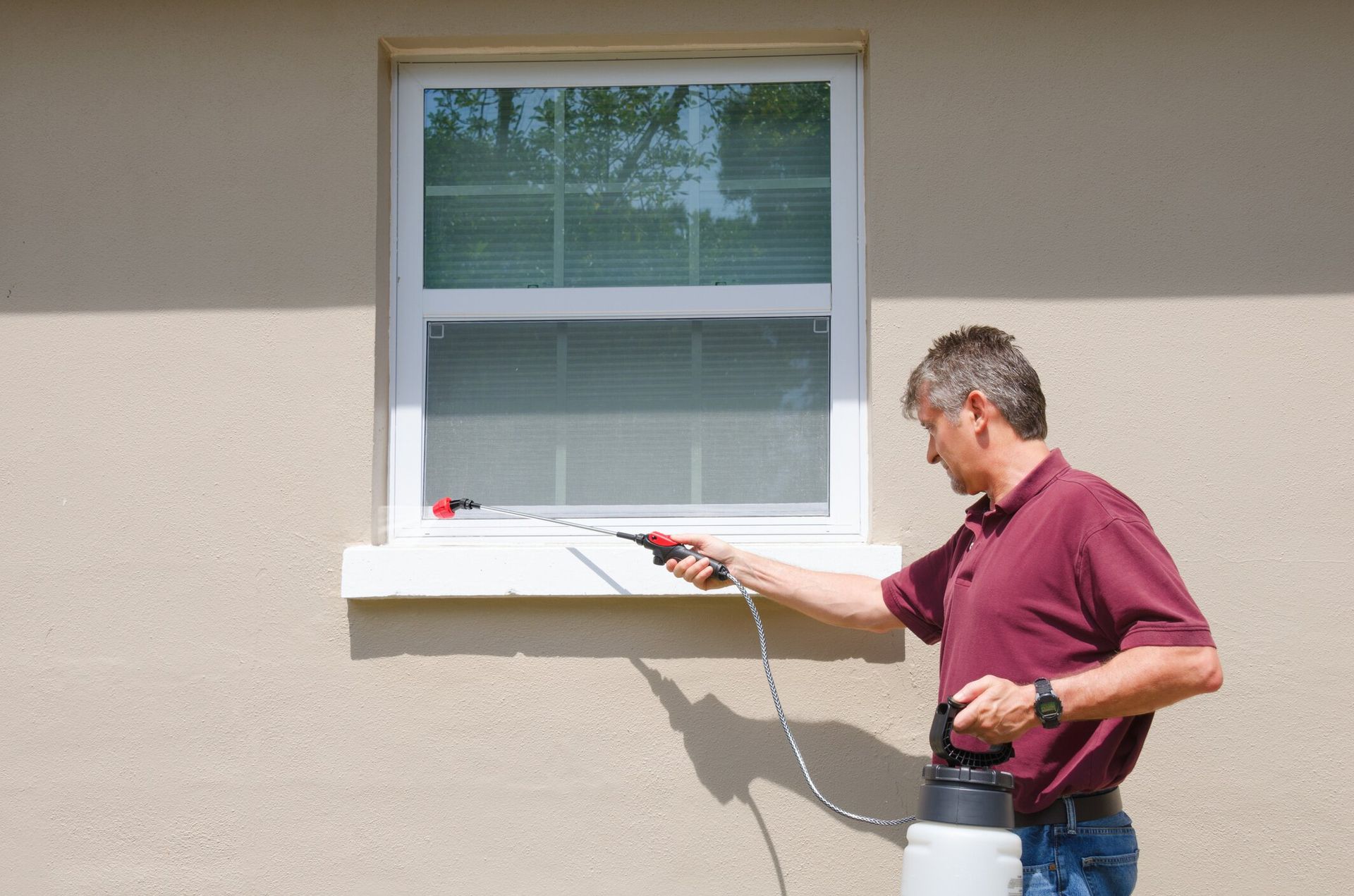
One method is to surround your property by a ring of termiticide injected into the soil. That creates a barrier that kills termites if they touch it. A good liquid barrier injection can protect you for 5 – 10 years.
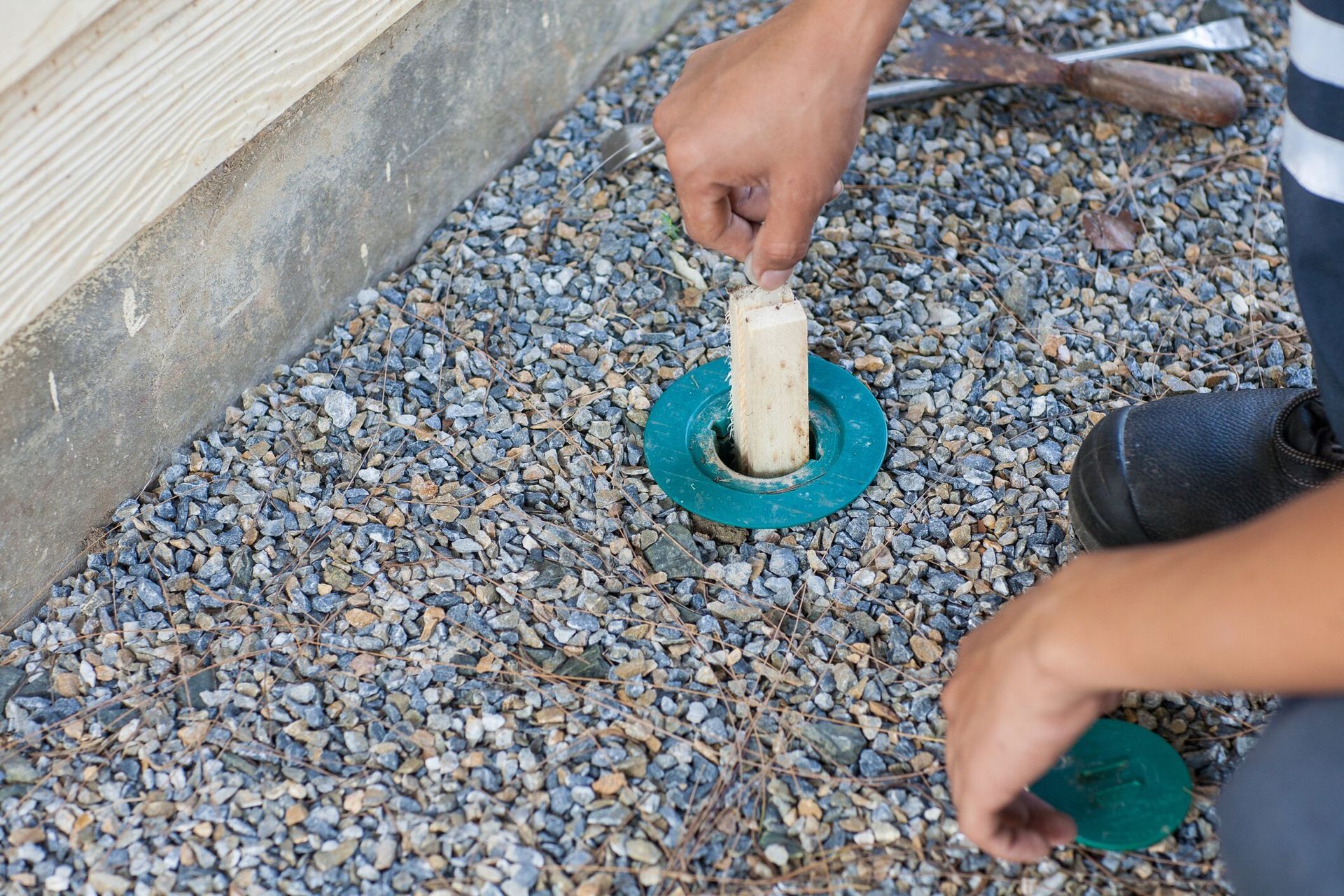
Another way is to use bait, which you place in carefully situated stations and again will kill termites that come into contact with it. Some people prefer this because using the liquid injection method can contaminate your water.
Fumigation is a good tactic against drywood termites, but it is temporary. Also, it is toxic so everyone will have to leave the house for several hours while it does its work, and the place will have to be thoroughly ventilated before you go back in.
So, find
your pest control company, take advice, choose a method and get protected.