How Much Termite Damage Is Too Much? When Repairs Become Structural
You tap a wall. It sounds weirdly hollow. Panic hits. So, exactly how much termite damage is too much?
The short answer: the second those white ants move past decorative skirting boards and start eating your load-bearing timber. That is the threshold. Once bearers, floor joists, wall studs, or roof trusses are compromised, your home is structurally unsafe. The building is losing its skeleton.
Let's look at the actual difference between a frustrating weekend fix and a full-blown construction nightmare.
Cosmetic Damage
This is the stuff that looks horrific but won't cause the house to collapse on your head.
- Chewed window architraves and decorative trims.
- Blistering or bubbling paint on your plasterboard.
- Hollow-sounding internal door frames.
- Paper backing eaten off the drywall.
Structural Damage
This is where the building becomes fundamentally dangerous. The heavy lifters holding up your property are failing. Watch for these massive red flags:
- Spongy, bouncing floorboards when you walk across the lounge room.
- Sagging roof lines or wavy exterior tiles.
- Doors and windows suddenly jamming because the house framing is warping under the lost support.
- Unexplained cracks opening up in exterior brickwork.
These pests don't take weekends off. A mature colony can consume a massive chunk of load-bearing timber in just a few months. What starts as a minor aesthetic issue rapidly crosses the threshold into a severe safety hazard. You could literally step straight through your own living room floor.
What is the Cost to Repair Termite Damage?
The cost to repair termite damage scales fast depending on which list your house falls into. Swapping out a bit of timber trim might only set you back a few hundred bucks. But replacing a main support beam requires structural engineers, temporary props, and serious tradies. You are suddenly looking at tens of thousands of dollars.
Ignoring these warning signs isn't just a physical safety hazard; it's absolute financial sabotage. The economic impact of termites on property values is devastating, often slashing a home's worth by up to 25%. Buyers will instantly walk away, leaving you holding a massive repair bill for a dangerously unstable property.
Worse still? Your home insurance policy almost certainly excludes pest damage entirely. Every single cent of that massive structural rebuild comes straight out of your own pocket. That is exactly why catching the transition from surface-level snacking to deep structural damage is critical.
Put the Hammer Down
A DIY fix is the worst mistake property owners make. They find a hollow beam, rip it out in a blind panic, and try to fix it themselves.
Never rip out chewed timber while the colony is still active. You haven't fixed the problem. You’ve just served up a fresh timber buffet for the surviving bugs.
When to involve the professionals:
- Before you Touch Anything: Get the hard facts first. You need comprehensive termite inspections to map out exactly where the nest is hiding behind your walls.
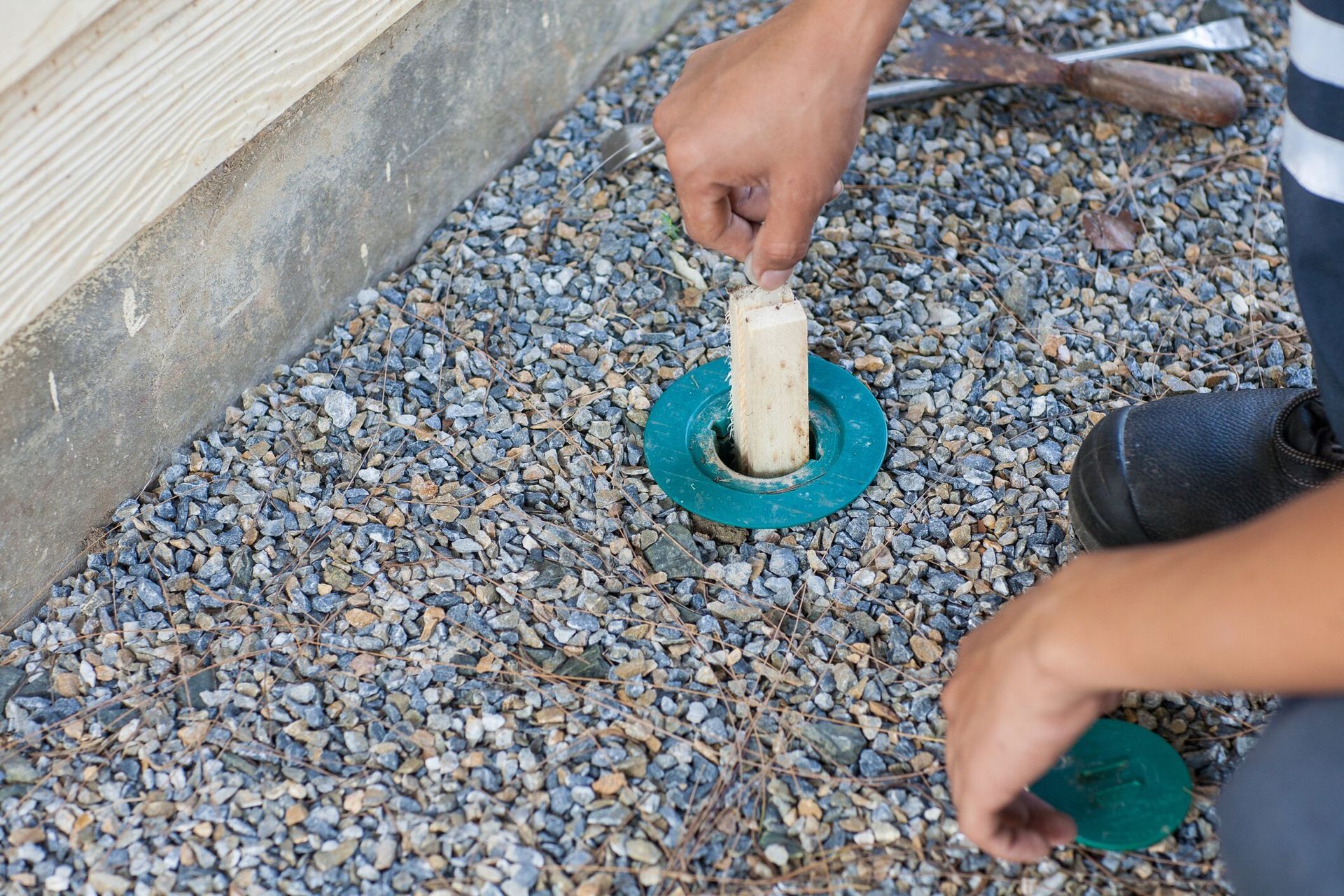
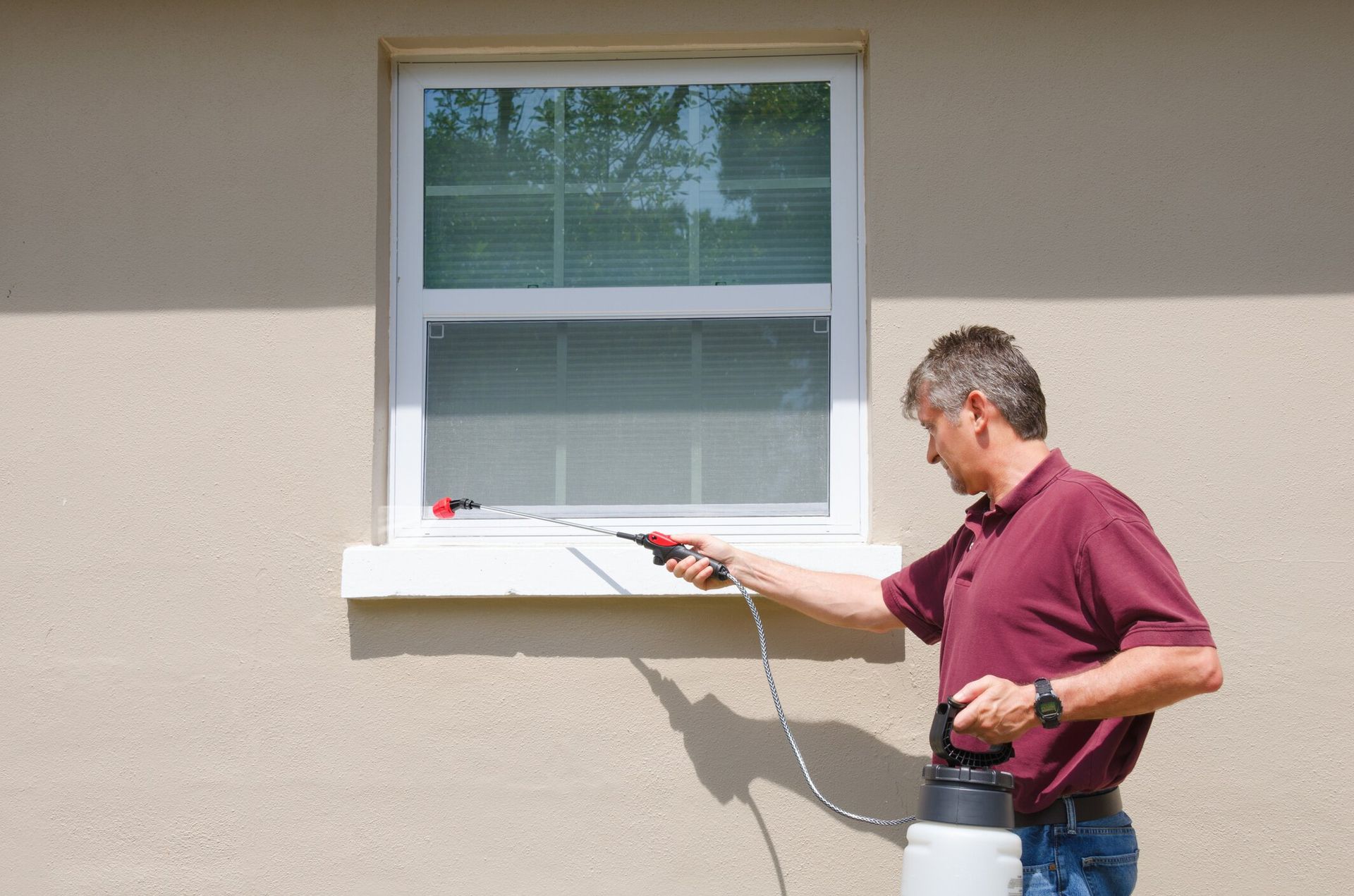
- To Assassinate the Colony: You can't just spray bug spray and hope for the best. You need professional termite control using advanced baiting systems and chemical barriers to shut the queen down permanently.
- Before Calling a Builder: Kill the bugs first and fix the wood later.
Don't play roulette with your roof trusses. If your floors are bouncing or your walls sound like empty cardboard boxes, the structural line has already been crossed. Get the nest wiped out by Dentec Pest Management before your repair bill doubles. Delaying action only guarantees a bigger headache and a completely drained bank account.