Early vs Late-Stage Termite Damage: How to Tell the Difference
Wondering exactly what does termite damage look like? The difference between a fresh infestation and a late-stage disaster comes down to surface versus structure. Early signs are highly subtle. You might notice slightly bubbling paint or hear a faint clicking behind the gyprock. Late-stage damage is catastrophic. We are talking sagging floors, warped door frames, and timber that literally crumbles when you press it.
Catching these pests early saves your home. Missing the clues leaves you with a massive repair bill.
Here is exactly how to spot the difference before your framing gets eaten alive.
Phase One: Early-Stage Infiltration
At this point, the colony has just breached your perimeter. The structural integrity of your house is still fine. The bugs are just setting up their supply lines and testing the menu.
Look out for these initial red flags:
- Tiny Mud Specks: Small, unexplained brown spots appearing on your skirting boards, architraves, or cornices.
- Blistering Paint: It looks exactly like water damage. The timber underneath is being hollowed out, trapping moisture against the paint layer.
- Quiet Clicking: Press your ear against the wall at night. Soldier termites bang their heads against the timber to warn the colony of danger. It sounds like faint rustling, tapping, or chewing.
- Discarded Wings: Swarmers drop their wings on windowsills or verandas after finding a mate and squeezing inside your house.
- Pencil-Thin Dirt Lines: Small mud tubes starting to track up your exterior brickwork from the soil.
Phase Two: Late-Stage Structural Failure
If you are seeing these signs, the colony has been eating your house for months. Maybe years. The damage has moved past cosmetic annoyances. Your home's actual skeleton is failing.
Advanced indicators include:
- Hollow Timber: Tap your window frames or wall studs with a screwdriver handle. If it sounds papery, empty, or hollow, the inside is completely gone.
- Jammed Doors and Windows: As termites chew through structural beams, the timber warps. Load-bearing frames shift. Suddenly, your front door won't close properly or windows jam in their tracks.
- Sagging Floors: Timber floorboards might feel spongy or bouncy underfoot. This means the subfloor joists are failing under the weight of the house.
- Crashing Plaster: In extreme cases, bumping a vacuum cleaner against a skirting board will cause the timber to shatter entirely into dust and mud.
The Cost of Waiting
Ignoring a suspected infestation is financial suicide. The economic impact of termites on property values is brutal. Buyers will run a mile if a pre-purchase report flags severe structural decay, knocking tens of thousands off your asking price.
You cannot fix this with a can of bug spray from the supermarket.
Here is your action plan:
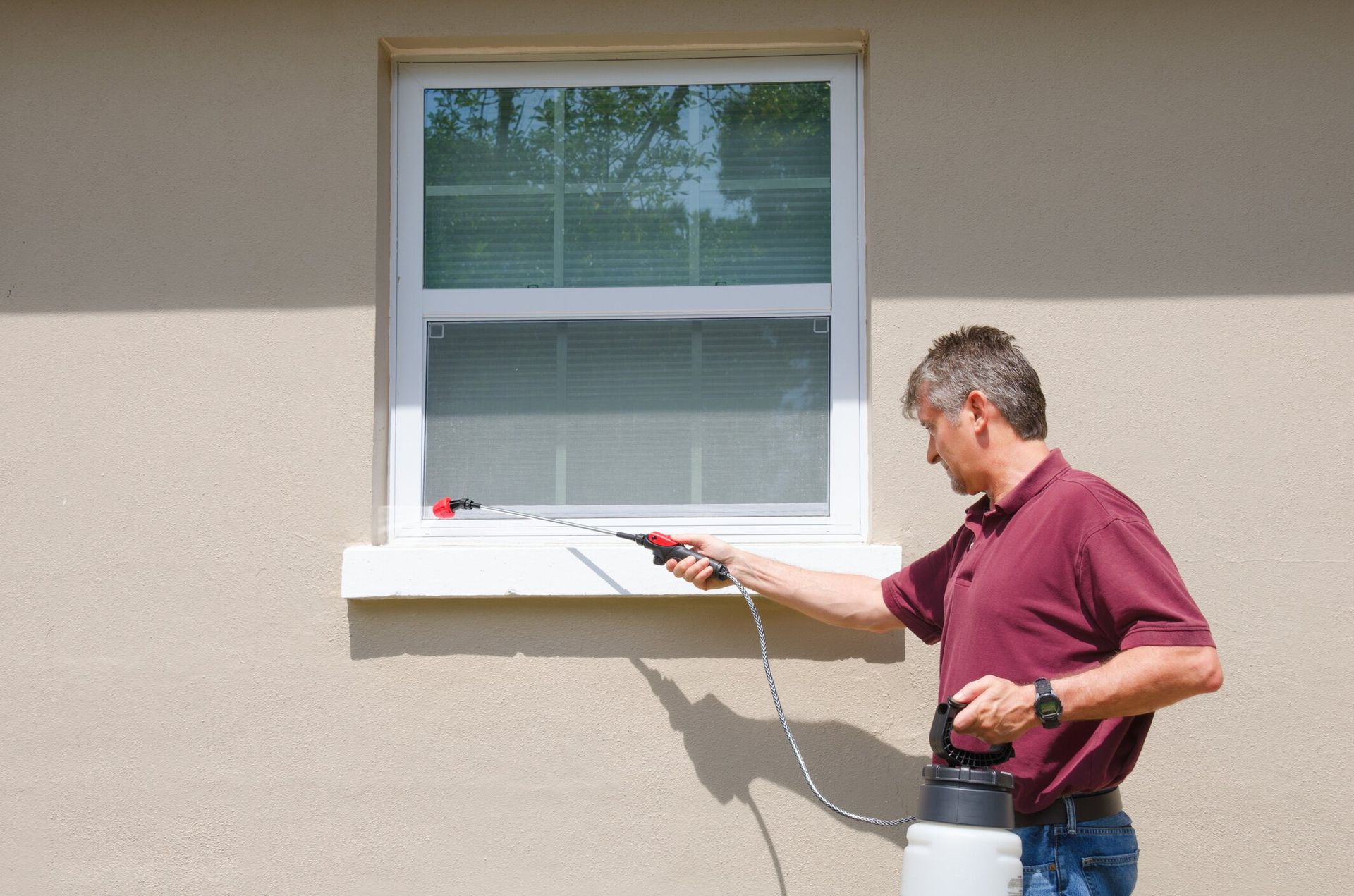
- Do not Disturb Them: If you break open a damaged wall or spray chemicals, the bugs will panic and relocate deeper into your house.
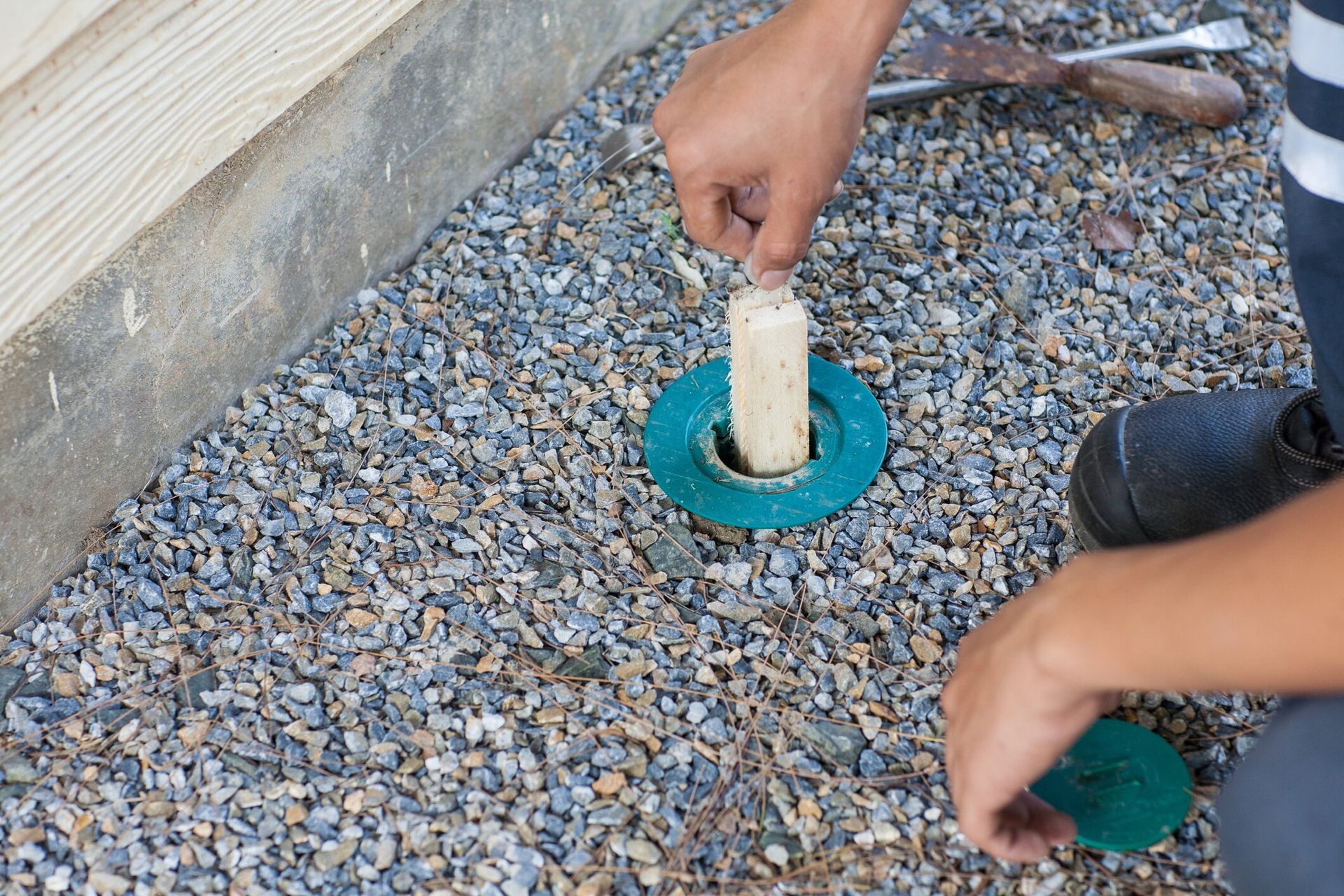
- Get a Professional Assessment: You need comprehensive termite inspections using thermal imaging and moisture meters to track the colony's exact location behind the walls.
- Wipe out the Nest: Only targeted, professional termite control will kill the queen and stop the destruction permanently.
Living in Dubbo or the Central West? Don't leave your biggest asset to chance. If something looks dodgy, get in touch with Dentec and get it checked immediately.